


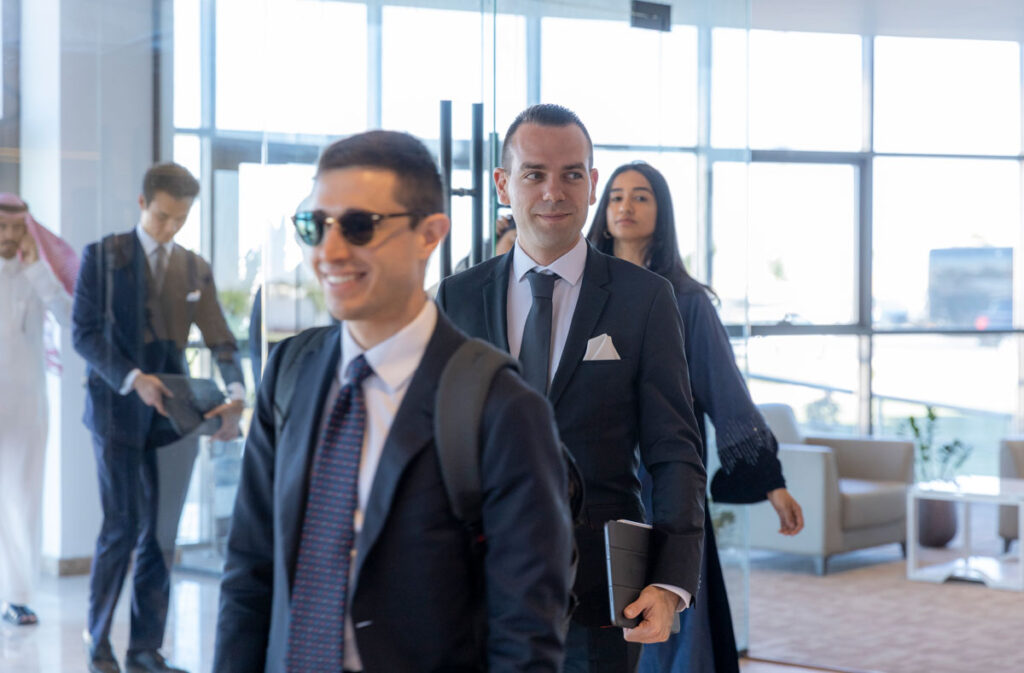
Over the past three months, our IMD team has had the privilege of working on an International Consulting Project (ICP) focused on “Smart City consulting for Hafar Al-Batin” in the Kingdom of Saudi Arabia. Using the IMD Smart City Index (SCI) methodology – built on citizen-centric surveys, benchmarking, and on-site stakeholder interviews – we combined analysis with problem solving and an immersive cultural and professional experience in Hafar Al-Batin.
The challenge
Hafar Al-Batin, a growing city in Saudi Arabia’s Eastern Province, is on a journey to become a smart city aligned with Saudi Vision 2030. Our project was to assess its current state using the IMD Smart City Index (SCI) framework and propose actionable recommendations to Hafar Al-Batin offers unique competitive advantages, including strategic location, investment opportunities, and strong community engagement. Its proactive approach to urban challenges – exemplified by the successful Wadi Fulaij flood drainage project – reflects a clear alignment with Vision 2030’s goals for sustainable and resilient cities.
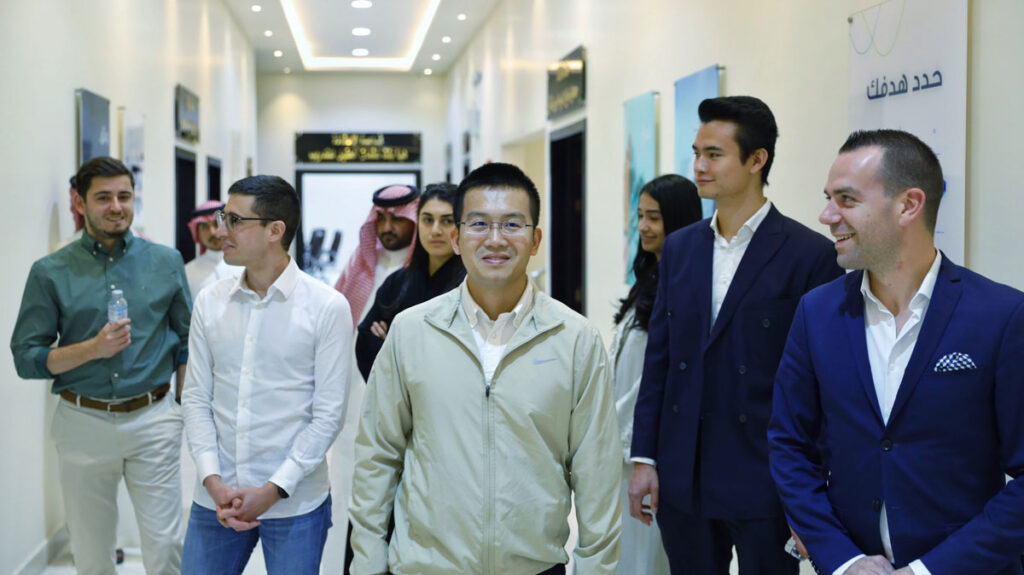
Through surveys, benchmarking, and on-site visits, we identified key recommendation areas.
The experience
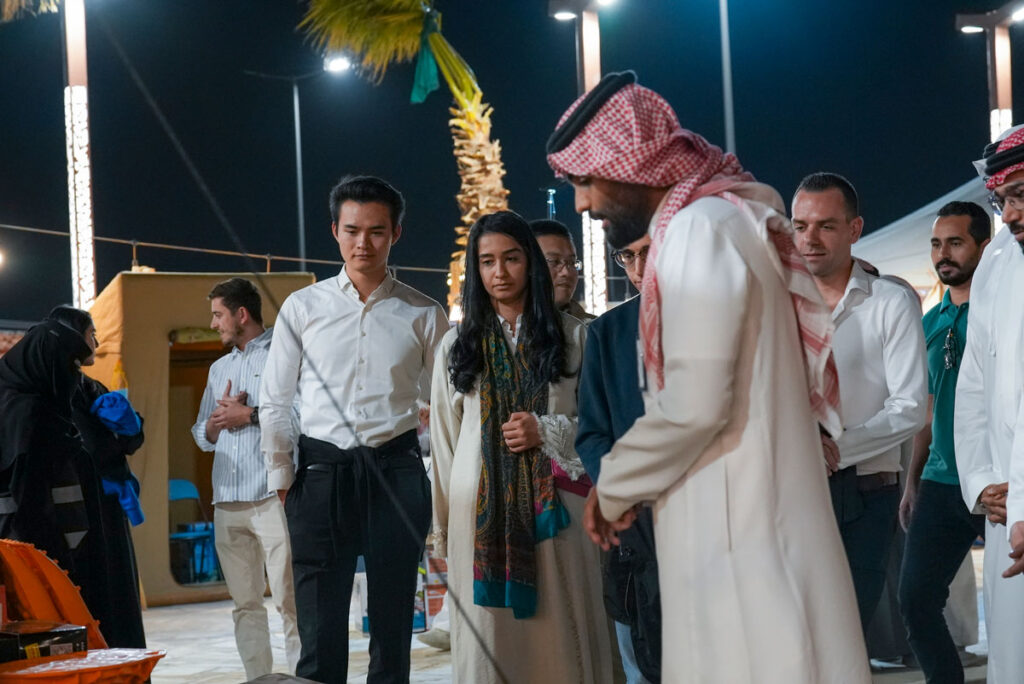
Beyond the analysis, the highlight of this project was our visit to Hafar Al-Batin. Over three days, we met with visionary leaders and highly committed stakeholders:
- Day 1
Discussions with His Highness, the Governor, and municipal leaders on strategic priorities like public transport and digital transformation. - Day 2
Insights from the Chamber of Commerce, Health Cluster, Hafar Al-Batin Club, Hima Environmental Association, Hafar Al-Batin University on employment, healthcare, and sustainability. - Day 3
Engagements with social organizations and private investment projects, including a preview of CALA Water Park, a symbol of the city’s ambition to boost tourism and recreation.
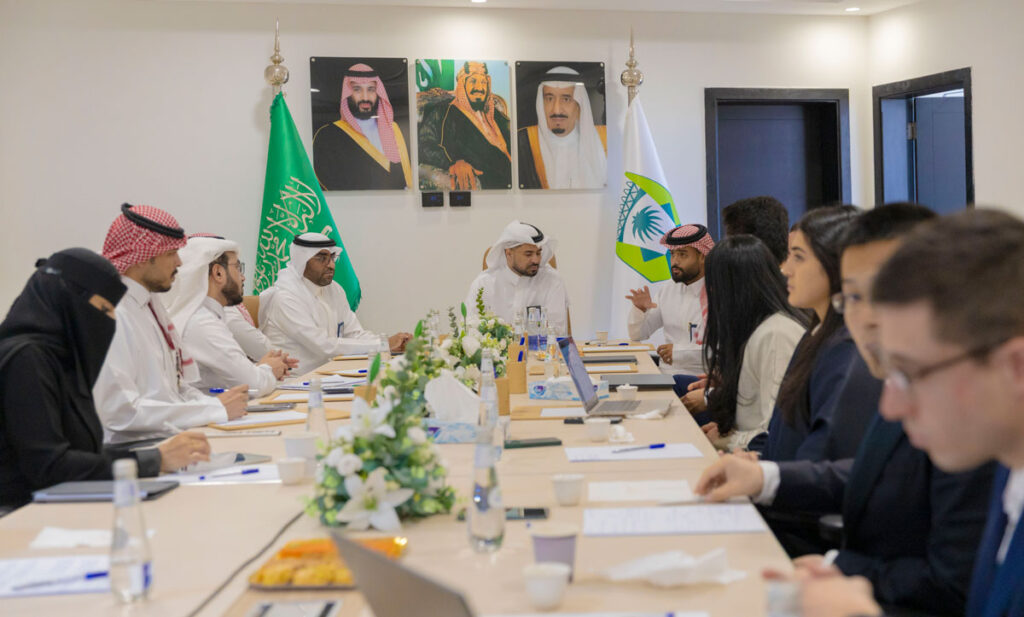
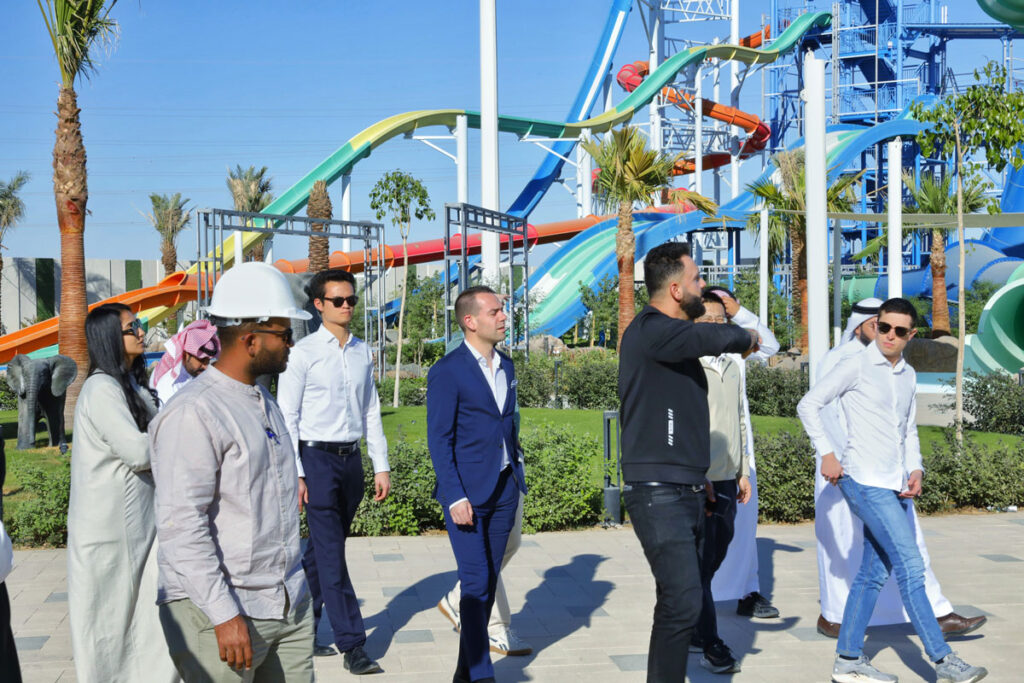
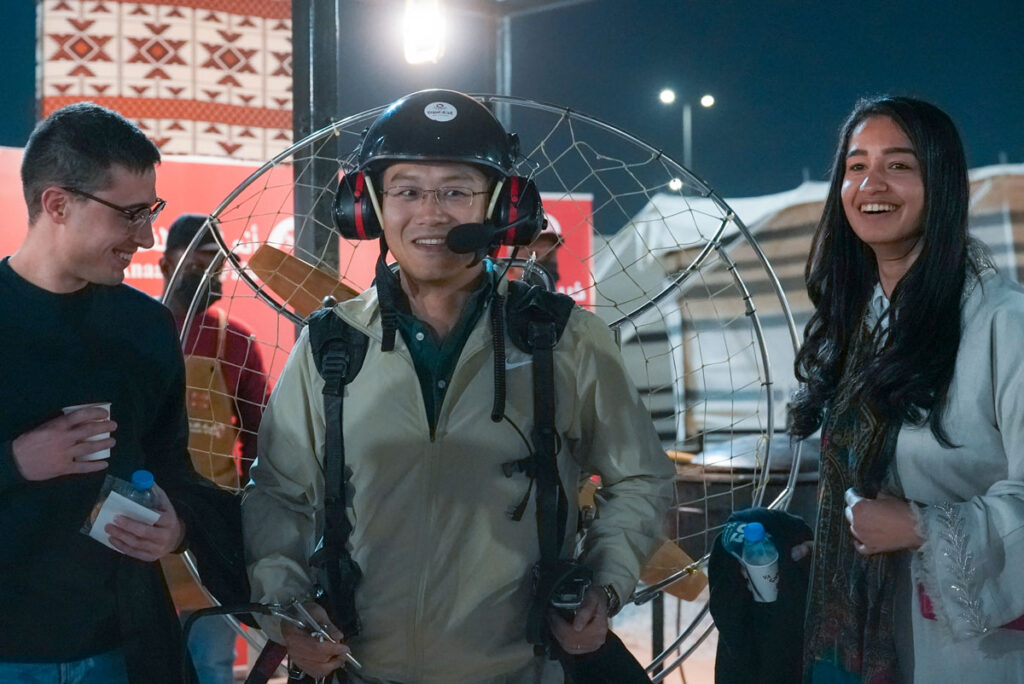
The hospitality we received was extraordinary. We were treated to traditional feasts and a cultural festival and given the chance to explore local markets and share conversations under the full moon where we could experience the warmth and vibrancy of Saudi culture firsthand. These moments deepened our understanding of the city’s identity and aspirations, making our recommendations truly grounded in the local context.
Key takeaways
- Smart cities succeed when technology serves people. Our approach focused on citizen priorities rather than technology for its own sake.
- Collaboration is key. The alignment we witnessed between government entities, the private sector, and community organizations is a strong foundation for Hafar Al-Batin’s transformation.
- Cultural immersion matters. Experiencing the city’s heritage and hospitality enriched our perspective and strengthened the relevance of our proposals.
As we conclude this phase, we are proud to contribute to Hafar Al-Batin’s vision of becoming a smart, sustainable, and inclusive city. This ICP was a brilliant journey of learning, connection, and impact.
We look forward to seeing Hafar Al-Batin rise in the Smart City Index and become a benchmark for citizen-centric innovation in the region.
IMD ICP Team: Professor Arturo Bris (IMD WCC Director), William Milner (IMD WCC Associate Director), and Fabian Grimm (IMD WCC Smart City Project Manager), Ameny Chaabani, Aundria Elahe Mirabrishami, Fang Yuan, Jacopo Gianolli, Rupert Arnold Hitsch, Steffen Hörauf
