


There is a version of a successful career that looks like a straight line: pick a lane early, build credentials, move steadily upward. Then there is Tzvete Doncheva’s version.
Tzvete grew up in Sofia, moved to Naples at 13, studied International Relations in London, became a live television correspondent for one of Bulgaria’s largest broadcasters, crossed into venture capital, and spent nearly five years at PT1 building investor relationships in a VC fund investing in technologies reshaping the built world. Along the way she founded EcosystemGiants, an initiative aimed at opening up closed networks in venture capital and increasing female representation at both founder and funder level. Now she is just over two months into her MBA at IMD.
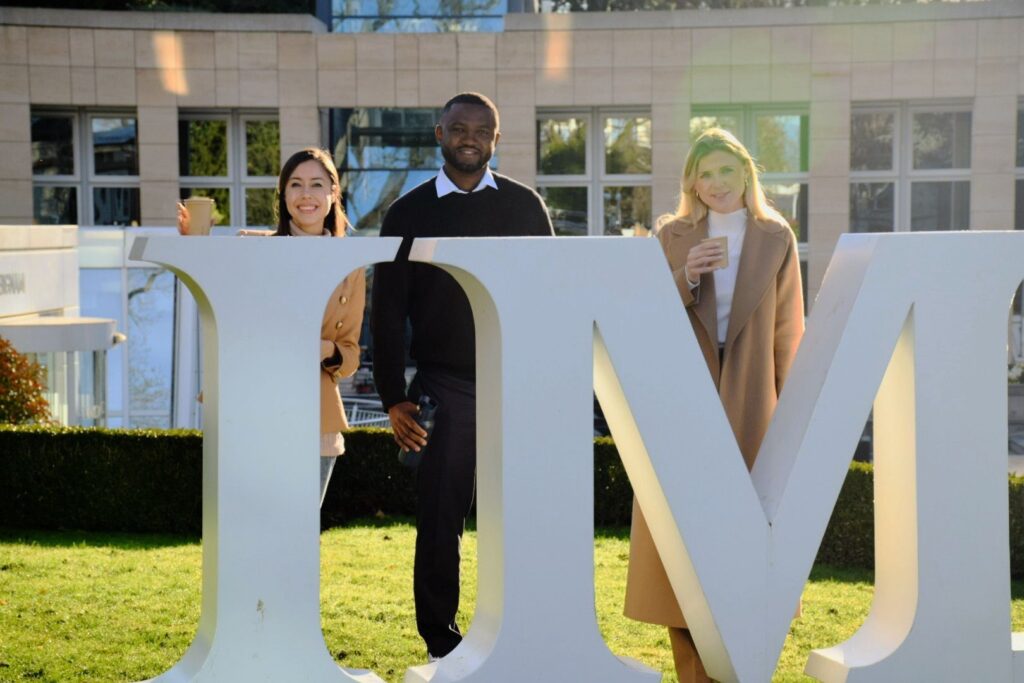
“I would love to say it was a path I had crafted by design,” she says. “In reality, life hands you situations you cannot predict. What you can do is turn them into opportunities. As I got to know myself, the road became clearer.”
Tzvete’s story reflects how ambitious careers are often built. She has followed what was interesting rather than what was obvious and then developed the capability to go deeper into it. If that sounds like your own career, or the one you are trying to build, read on.
Where adaptability began
Movement shaped Tzvete’s early years. She moved to Naples with her family at 13, an experience that expanded her sense of how big the world really is. At 18, she arrived in London alone to study, a different kind of challenge entirely.
“The bonds you make with foreigners abroad, who are in a similar position to you, are very strong,” she says. She built her support network from scratch in one of the most demanding cities in the world and found it more welcoming than its reputation suggested. What those years taught her, more than anything, was adaptability.
“I am not sure living abroad comes with a sense of otherness, rather adaptability. And adaptability is a huge asset in any business setting.”
After graduating from Queen Mary University with a degree in International Relations, she joined bTV Media Group as a television reporter and correspondent working out of London. The role demanded speed, judgment, and comfort with uncertainty.
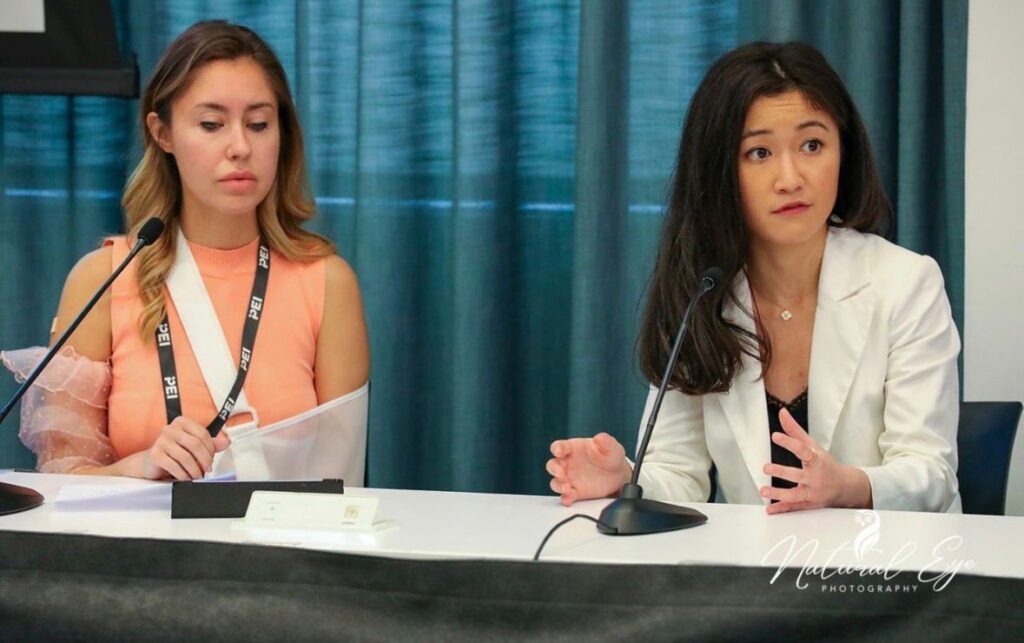
“Having worked in live news is the best training I could have received for working with incomplete information,” she says. “You learn to act quickly and just find a way. You develop judgment, act on it, and adjust.”
From newsroom instincts to investor judgment
Journalism was something Tzvete loved. Over time, she began thinking about what else she wanted to build.
“I think it’s fantastic for a woman to follow her passions and make a career out of it. That’s what I did with TV journalism,” she says. “But I also wanted greater financial independence.”
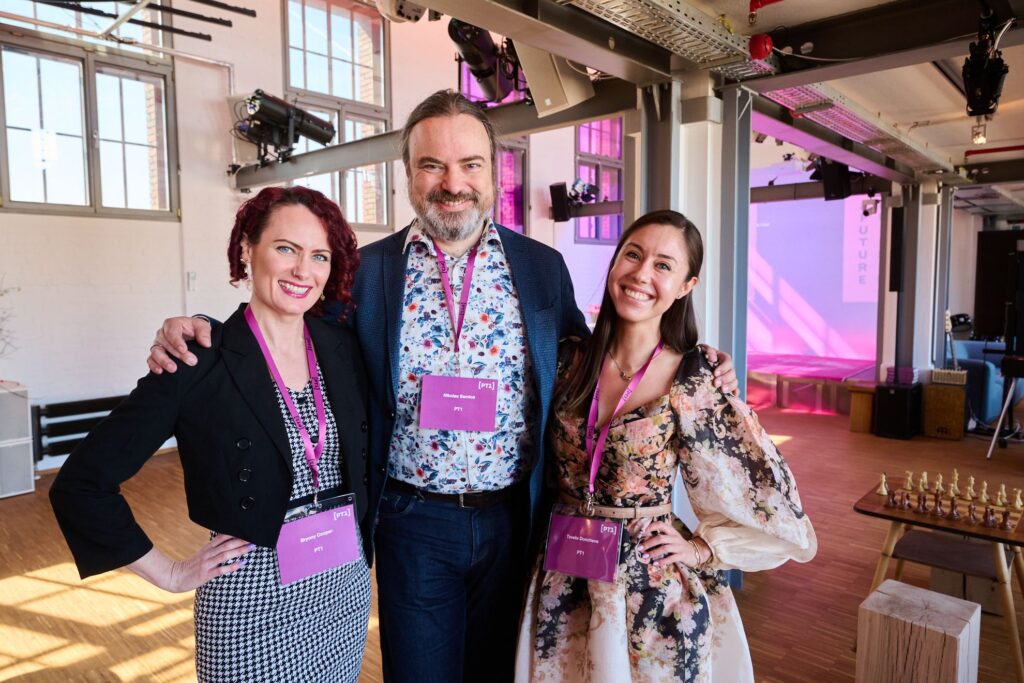
That desire led her into private markets, eventually to PT1, where she spent nearly five years working in international investor relations. The work required building trust across global LP networks and managing relationships with investors backing early-stage real estate technology, and innovations across infrastructure, and supply chain.
The context was new, but the underlying skills were familiar. Reading situations quickly, communicating clearly, and navigating uncertainty were just as valuable in investor meetings as they had been in the newsroom.
Stepping out to move forward
“We live in a world that is so fast paced. Every day is an opportunity to learn and upskill. It is hugely important to redefine yourself, to stay competitive on the career market, but also to grow in life.”
This desire to grow was what started the conversation with herself about an MBA. Once she had it, she took it to the people closest to her. Her father, she says, has always been supportive of her pursuing further education. “Knowing I have the support of those closest to me, made my decision to jump even easier.”
The destination became clear in the summer of 2025 when she visited IMD and sat in on Jennifer Jordan’s Power and Politics class. The quality of the faculty, the intimacy of the cohort, and the sense that the people in the room were deeply engaged in the discussion. “The community spirit of other classmates, and the quality of the lecture made me realize IMD is where I wish to be.”

What does performance cost?
There is a story Tzvete tells that says a lot about how she used to operate, and I think about it every time someone describes grinding through illness or injury as a badge of honor. On a transatlantic work trip some years back, she was injured and ended up in the ER. She went to investor meetings the same day, straight from the hospital.
For a long time, she thought of that as a point of pride. “At the time, I called it resilience. In hindsight, it was reckless.”
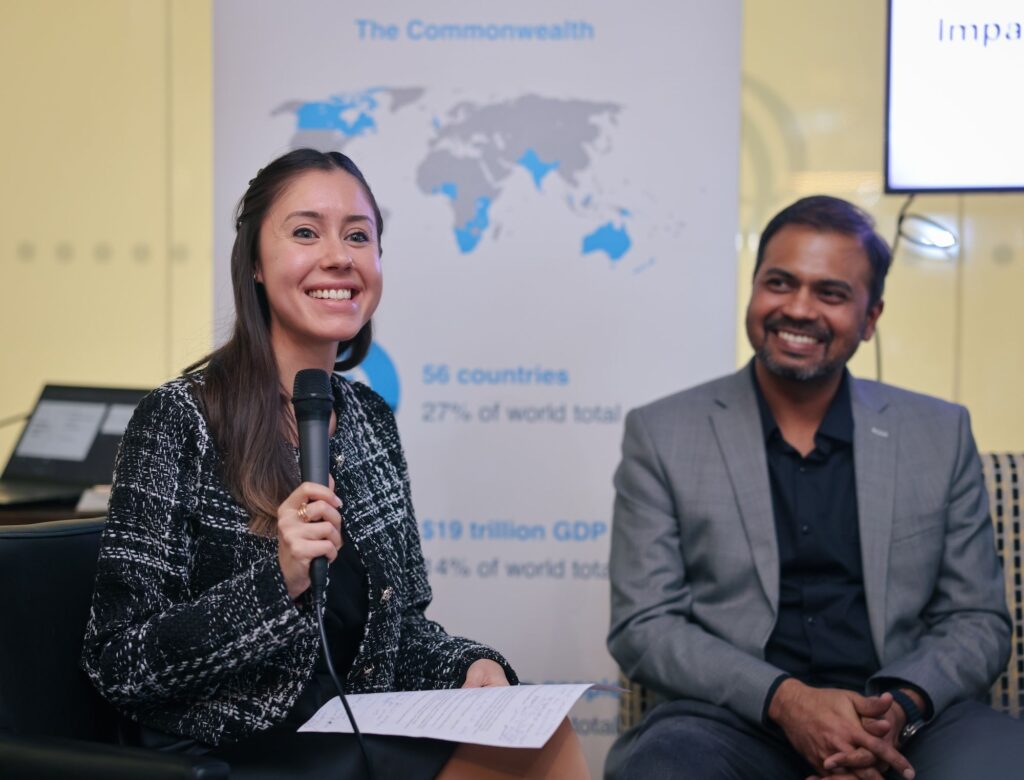
The reframe didn’t happen overnight. “One of the truest signs of growth is change. The reframe happens when we realize we hold a behavior that is not serving us well.”
In her leadership classes with Dean Alyson Meister, the cohort spent time examining what kind of leaders they are, what they model for the people around them, what they silently ask of others by the example they set, and what it costs when the gap between the leader they present and the person underneath gets too wide.
For Tzvete, those conversations landed somewhere specific.
She has a younger sister, who she is very close with, a two-year-old goddaughter, and hopes to have children of her own one day. The question of what example she is setting stopped being abstract.
“I do not want younger girls going into competitive industries feeling like they have to perform to a point that is hurting them to get ahead. It is not the example I wish to set, and not the example of effort I find sustainable. Endurance run over a high-paced sprint.”
Building for the Long Game
In the immediate future, the plan is to go deeper into venture capital, with the leadership range to operate at a level where she can help shape the direction the industry takes, and she sees the MBA as where that gets built.
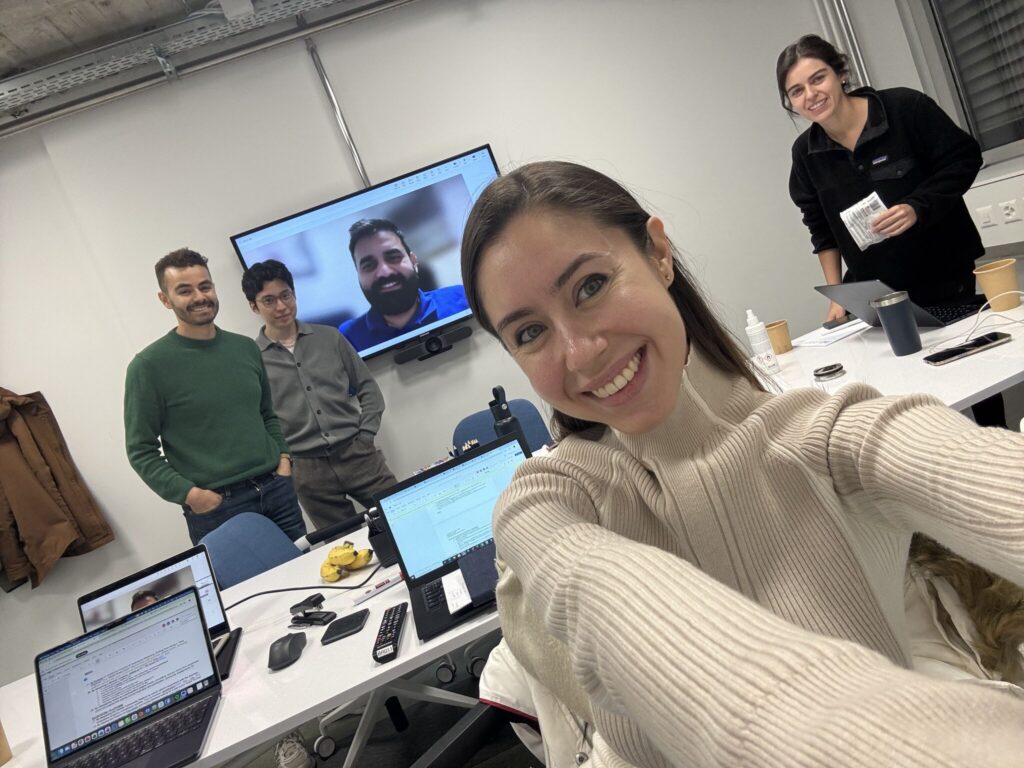
Ask Tzvete what a good outcome looks like in ten years and she gives you a straight answer. “Running my foundation, with a family, in a country in Europe.”
It connects directly to something she has carried since childhood. “I’ve cared about social inequality ever since I can remember.” What she has figured out, across years of working in investor relations and capital markets, is that the skills required to raise money and manage stakeholders in private markets are exactly the skills required to run a serious philanthropic organization. “Capital raising and stakeholder management would be as useful in philanthropy as they are in private markets. The more means you have to give, the more positive impact you can make on society.” First, she wants to build the means. Then she wants to use them.
She is also, in the middle of all of this, learning to fly, inspired by women in her network who hold private pilot licenses. I asked her about the connection between flying and investing, expecting something neat about decision-making under pressure. What she said was more interesting than that. “When I did my first turn nearly by myself in a plane, you are afraid of what may go wrong. Yet you do it anyway, because you trust the person beside you, and because not acting when you know you should, could be twice as bad.” She talks about what it feels like to look down at the world from altitude, the way it reframes whatever else is happening at ground level. “It is a great reminder of the size and magnitude of anything you may be facing in other areas of life. It really is that small.”
And in many ways, that perspective captures the journey of her career: move forward even when the path isn’t fully clear and adapt as you go.
