


For most of my career, I believed that excellence was a function of drive. The faster I moved, the more I achieved. The more I achieved, the safer I felt.
Working in consulting, I learned to thrive in fast-moving environments, juggling clients, deadlines, and expectations across time zones. Performance became my rhythm, the invisible thread connecting every decision, every late night, every proud client moment.
And it worked. Until it didn’t.
When I arrived at IMD, that rhythm met its match.
The pace was still relentless – classes, assignments, group deliverables – but the challenge wasn’t about how much I could do. It was about how sincerely I could be present.
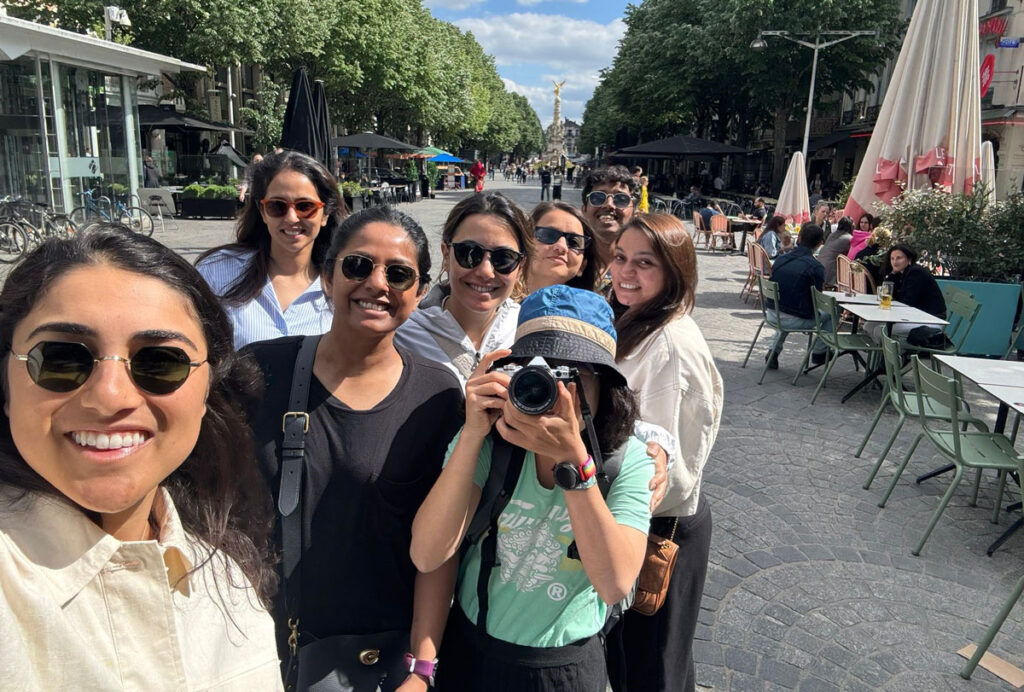
One afternoon during a group exercise, a teammate pointed out that I was always trying to fix, to smooth, to help everyone move faster. Then it struck me: not every moment needs to be solved. Sometimes leadership is not about adding more but allowing more. It was disarming. Because proving my value had been my way of belonging. But that day, I began to understand that trust isn’t built by efficiency; it’s built by presence.
I began noticing moments I used to rush past – the pause before someone speaks, the hesitation in a teammate’s tone, the silence that follows a difficult question. In the past, I would have filled that space with ideas, solutions, and action. Now, I am learning to sit with it.
This realization started changing how I showed up – in groups, in class discussions, even in how I listened.
I stopped rushing to wrap things up neatly. I allowed messiness, disagreement, and reflection. The surprising thing was: my personal outcomes didn’t suffer. If anything, they got better. People spoke more freely. Ideas deepened. The teams moved from coordination to connection.
IMD has a way of teaching leadership that you can’t hide from.
It doesn’t hand you a formula; it hands you a mirror. If you’re willing to look, you start to see the stories you’ve been telling yourself – about success, worth, and control.
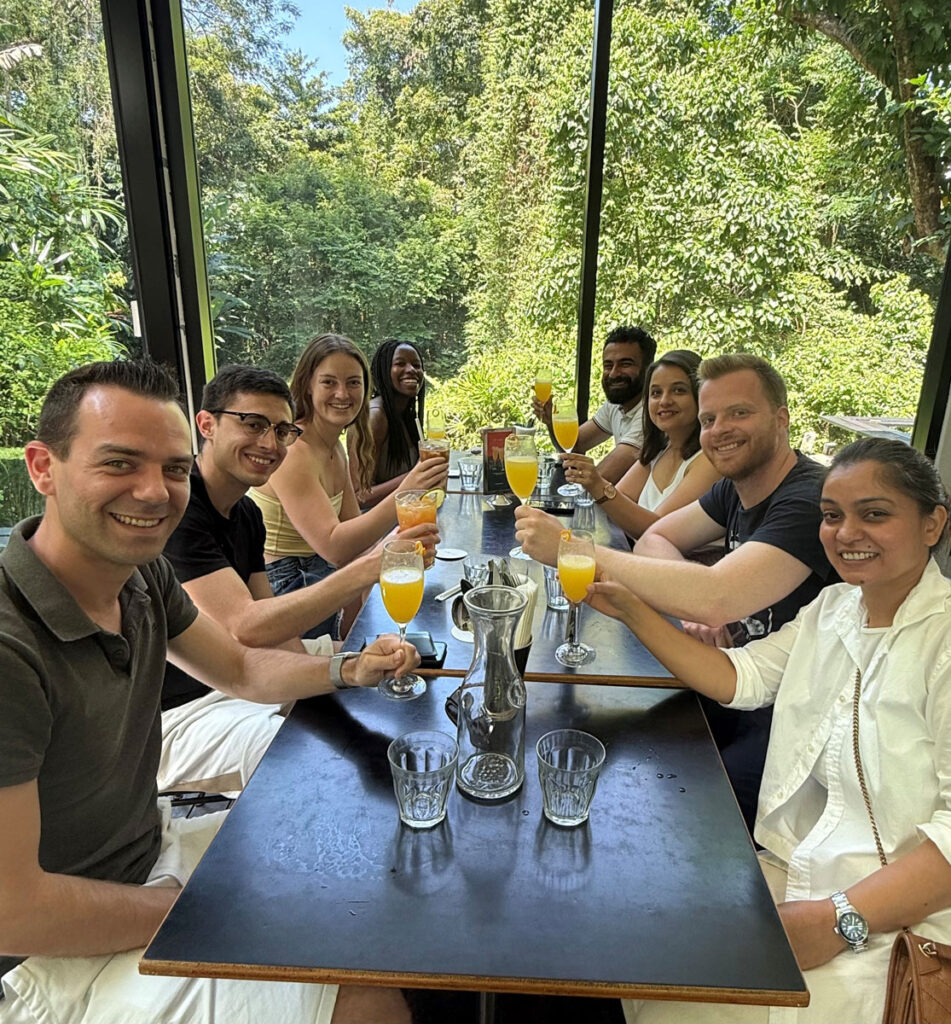
My old mindset said that trust was earned through performance.
My new narrative acknowledges that performance grows from trust. This lesson turned out to be the most important one this year, as I go on to build my career. A lesson I plan to use as my foundation as a leader.
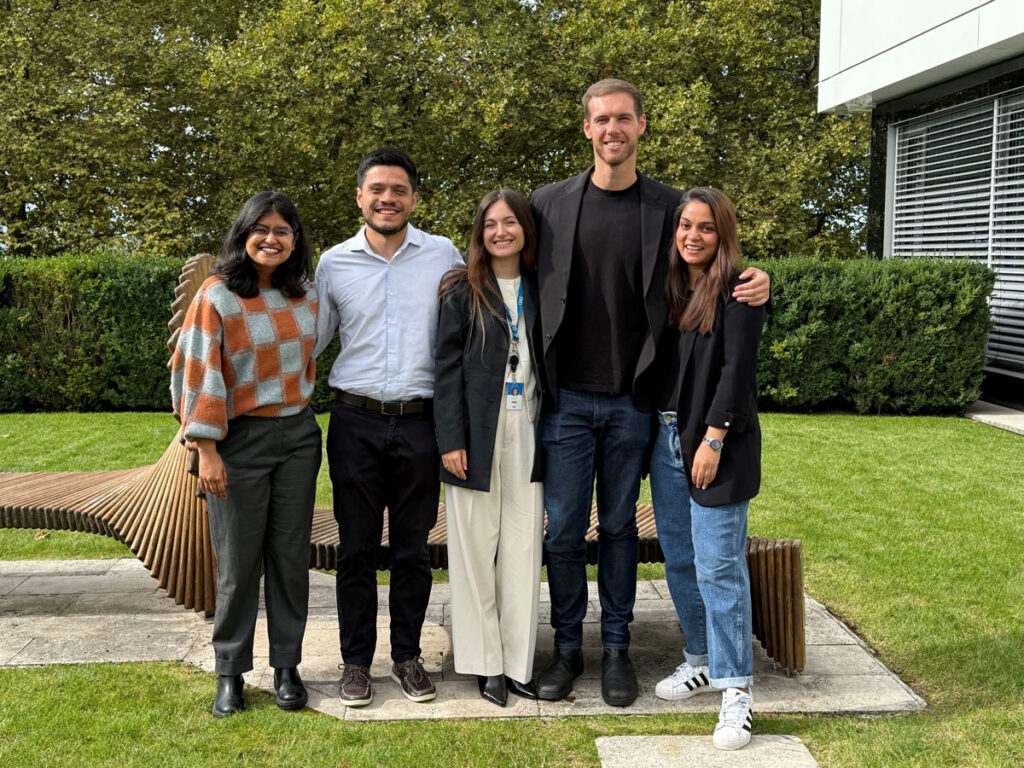
As I move forward, I still carry my drive, but I now see it as energy, not armor. Presence, for me, is no longer the absence of ambition. It is its evolution – quieter, deeper, and far more human.
Because leadership, I’ve learned, begins not in the doing, but in the being.
