


She walked onto the stage alone.
No group behind her. No dance crew like the other schools. Just her, the music, and 1,500 students from some of Europe’s top business schools watching.
Later that evening, one of our classmates told her something I have not forgotten since:
“You are our winner every day of the week. You were phenomenal to get up there and do such a stunning performance. No trophy is not a reflection of how well you did or how proud we are.”
Whatever the result of that competition, she had already made us proud far beyond what she probably imagined.
At first glance, it could have remained just another MBAT moment. In reality, it says almost everything about what we are building here at IMD.

Alone on stage, but with all of us behind her.
A few months earlier, most of us arrived at IMD with strong résumés, strong opinions, and a fairly clear idea of what an MBA experience would look like. We imagined stimulating classes, powerful networks, and sharpened business skills.
What many of us did not imagine, however, was being interrupted halfway through a pitch by a teammate saying:
“I think you’re wrong.”
And yet, that is exactly where the real learning begins.
The pace here is intense. Between group projects, recruiting discussions, classes, networking events, and personal commitments, the days move fast. We go through moments of tension with people we have only known for a few months, while trying to build projects we never imagined we would defend so passionately just weeks earlier.
Our entrepreneurship professor captured it perfectly during one pitch session:
“It’s fascinating to watch how fiercely you defend an idea that did not even exist three weeks ago. Now it has become your child.”
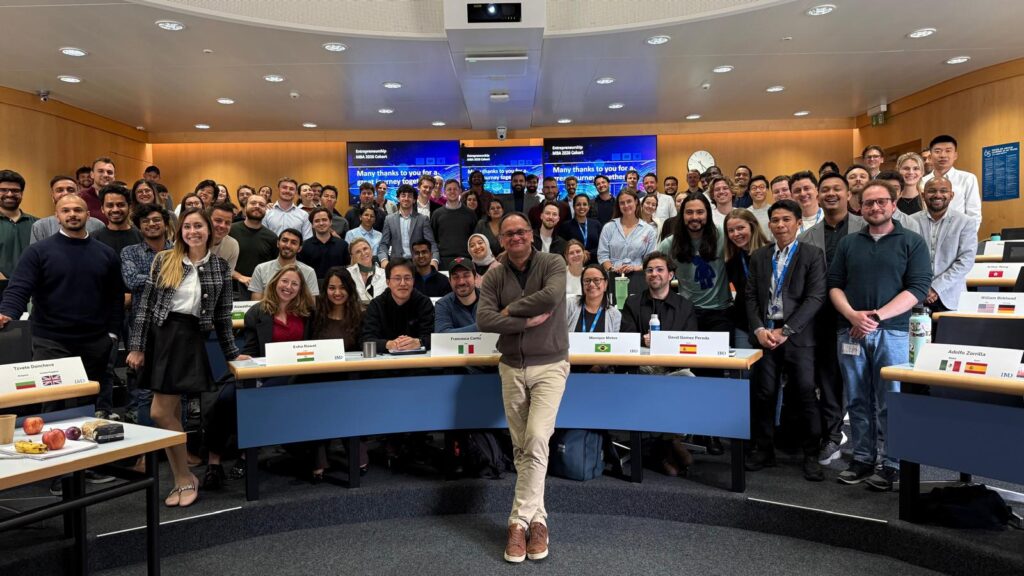
Entrepreneurship: Many thanks for a great journey together.
That transformation does not come from comfort.
It comes from disagreement, friction, difficult conversations, and collective ownership. Everyone arrives with their own ideas, convictions, and ways of working. At some point, a team has to choose a direction. One idea moves forward, but it only works if the group fully commits to making it everyone’s project.
And that process is rarely smooth.
You quickly realize that feedback sounds very different depending on where people come from. Some cultures communicate with extreme directness. Others soften disagreement carefully. Some people challenge ideas immediately. Others take time to reflect before responding.
But beyond communication styles, the real challenge remains the same: learning how to receive feedback without taking it personally, and learning how to give honest feedback without damaging trust.
Most of us arrive here thinking collaboration means getting along all the time.
We quickly discover that real collaboration is more demanding than that. It means having the courage to disagree openly, to push back when necessary, and to hold each other to a higher standard, especially when it becomes uncomfortable.
Then came Paris.
At MBAT, facing schools like London Business School, University of Oxford, and University of Cambridge, there was no room for excessive diplomacy. You either performed or you did not. You either trusted your teammates or you lost. You accepted being substituted when someone else gave the team a better chance to win.

Some classmates stood in the rain for hours simply to support those representing IMD. Losses were absorbed collectively without searching for someone to blame. Victories created bonds that no classroom could have accelerated in the same way.
Several students from other schools stopped me during the weekend to say:
“I didn’t know IMD before this. But I love your people.”
That did not happen by accident.
And it was not built during three days in Paris.
It was built over months of learning how to stand together, especially during difficult moments. MBAT does not teach teamwork. IMD does. MBAT simply reveals whether you have actually learned it.

We showed up, rain or shine.
The more time I spend in this environment, the more I realize that leadership growth is far less polished than I once imagined. It does not always look like confidence or perfect alignment. Sometimes it looks like disagreement. Sometimes it sounds like uncomfortable feedback. Sometimes it feels like frustration, tension, or difficult conversations at the end of a long day.
But future leaders will never be protected from those moments.
At some point, every leader will face situations where expectations collide, teams disagree, performance falls short, or the comfortable decision is not the right one.
Nobody becomes capable of handling those moments by accident.
It requires practice. Not the kind of practice most of us imagined before arriving here, but the kind that comes from navigating real tension with real people, resisting the temptation to avoid discomfort, and coming out stronger on the other side.
The leaders who struggle most are rarely the least intelligent people in the room. More often, they are the ones who never learned to separate ideas from identity, feedback from personal attacks, or tension from threat. The ones who spent years in environments where harmony mattered more than honesty, and where nobody wanted to take the risk of stepping onto the stage alone.
IMD does not let us stay in that comfort zone.
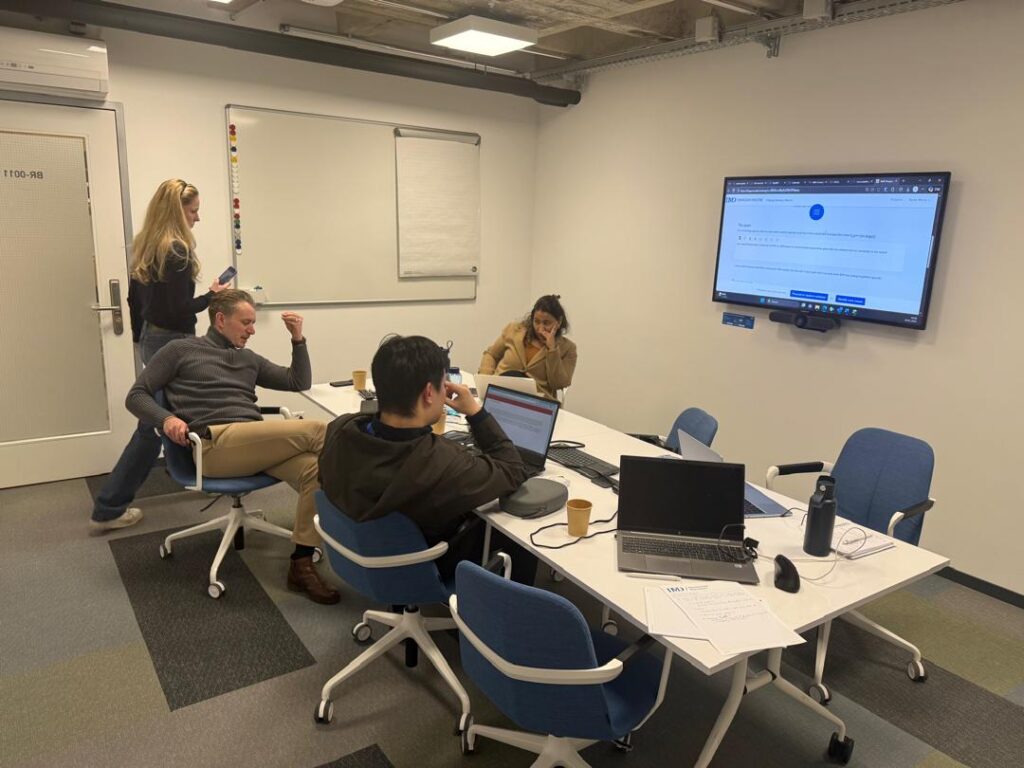
And honestly, we should not allow ourselves to stay there either.
So, fighting against each other?
That is not really what is happening here.
What may look like conflict from the outside feels very different from within. It is a group of people respecting each other enough to be honest. A group choosing long-term growth over short-term comfort. A group understanding that the people who challenge you with sincerity and high standards are often the ones helping you grow the most.
She walked onto the stage alone.
But none of us truly saw her as alone.
And when she came back, nobody talked about the trophy.
Because the real fight is not inside a classroom, on the MBAT field, or during a feedback session at IMD.
It is out there. In boardrooms, negotiations, crises, and decisions that shape organizations and careers.
And that world favors people who already know how to disagree without breaking trust, how to hold tension without falling apart, and how to step onto the stage even when they are afraid.
That is what we are building here together.
Not fighting against each other.
Learning together how to win against the world.
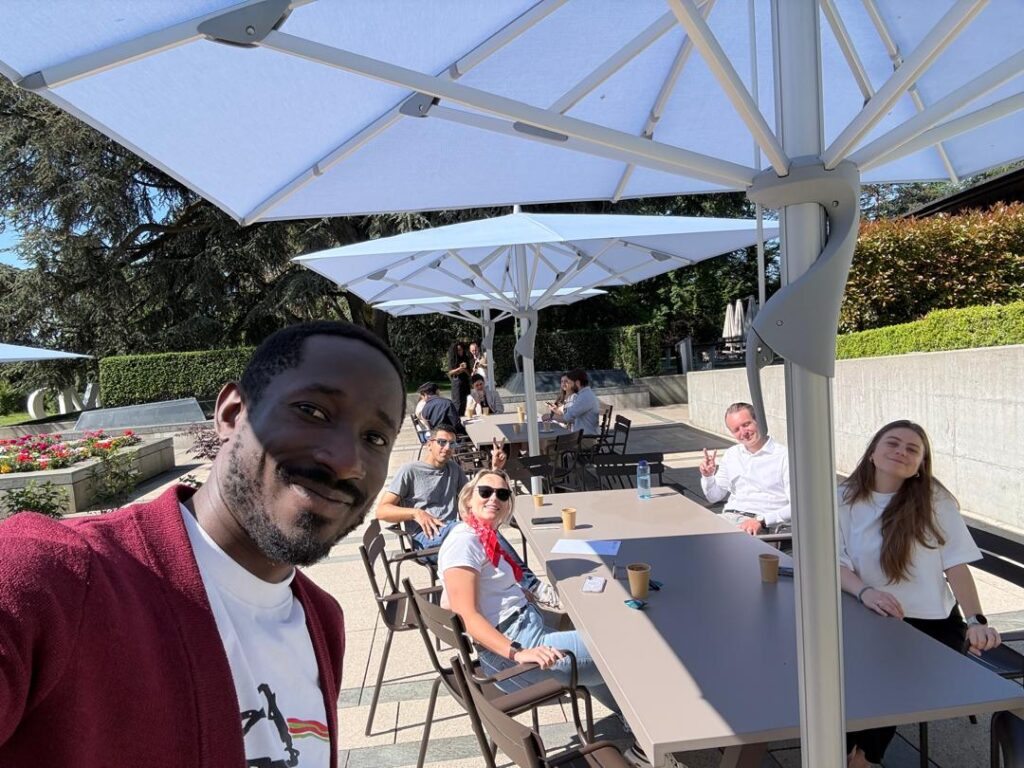
Three days. Built over months.
Considering your own MBA? Find out if IMD is the right fit. Learn more →
